Wood Types
Understanding Hardwood vs Softwood: A UK Woodworker's Guide
Pick up a length of oak and a length of pine and the difference feels obvious. Pick up a length of balsa and a length of yew, and everything you thought you knew falls apart. Balsa is a hardwood that dents under a thumbnail; yew is a softwood that blunts tools and once made English longbows. The labels hardwood and softwood have almost nothing to do with how hard the timber actually is. They describe how the tree reproduces, and that botanical split shapes how the wood behaves in your workshop.
What Actually Separates Hardwoods from Softwoods
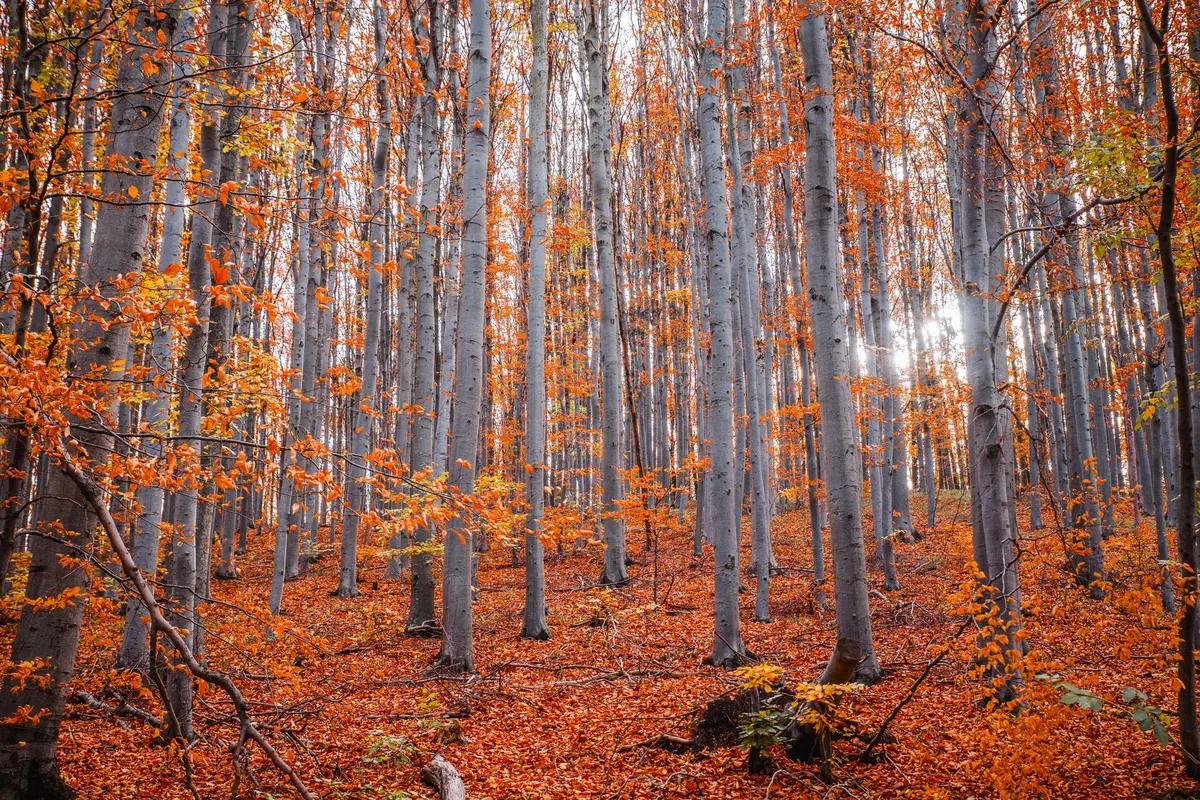
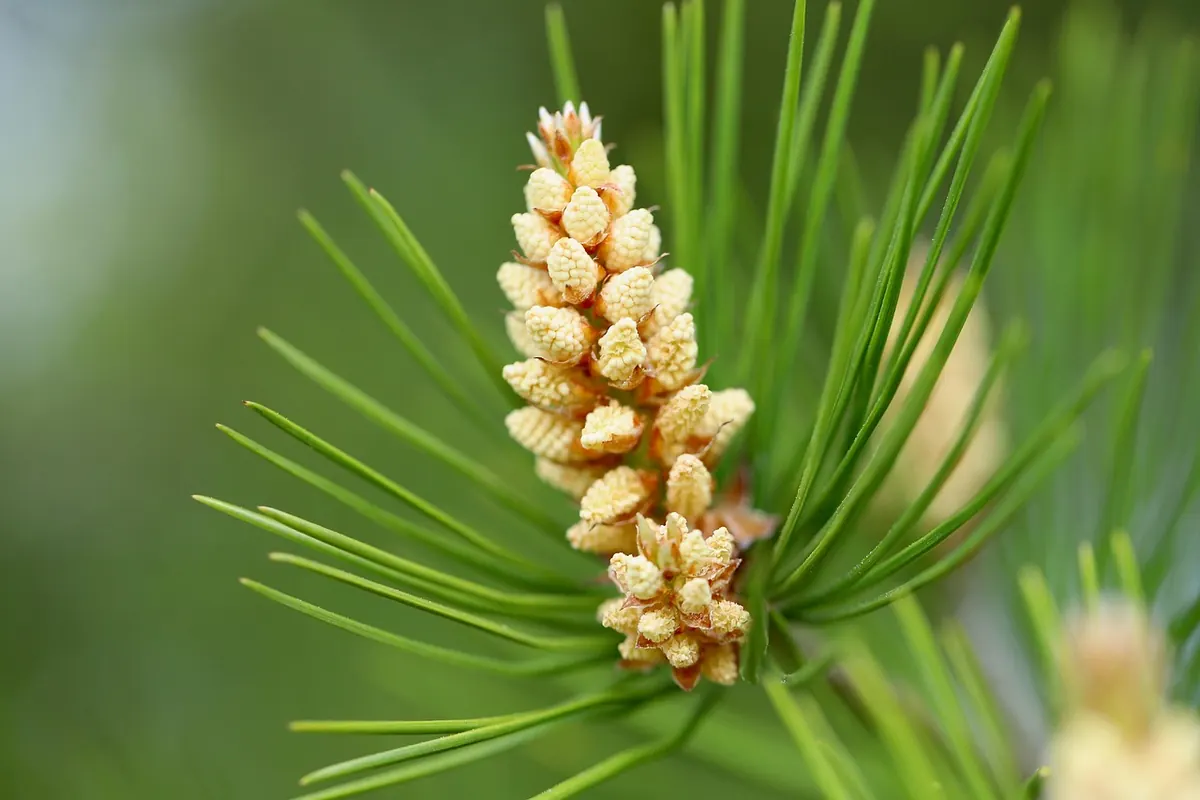
Hardwoods come from angiosperms — flowering trees that produce seeds enclosed in some kind of fruit, shell or case. Think acorns, sycamore keys, ash samaras, the stones inside cherries. Softwoods come from gymnosperms, mostly conifers, which produce naked seeds, usually in cones. That is the whole distinction. A hardwood is a flowering tree; a softwood is a cone-bearing one.
In practical terms this shows up in the structure. Hardwoods are generally slower-growing and more complex, with vessels running through the timber that carry water. Those vessels are what give oak its grain and open pores, and why you can raise the grain on ash with a damp cloth. Softwoods have a simpler structure of tracheids — long cells that do the plumbing and the structural work at once. Cut a softwood and you get an even, resinous, often fragrant surface with obvious growth rings but no pores.
Why hardness is a poor guide
Density varies enormously within both groups. Holly, a hardwood, is pale, fine and tough. Obeche, also a hardwood, is so light it is used for model making. Among softwoods, Douglas fir is dense and strong enough for structural beams, while western red cedar is soft, light and chosen precisely because it is easy to work and resists rot.
How Each Group Behaves in the Workshop
Once you have worked a few boards of each, patterns emerge. These are tendencies, not laws, but they hold true often enough to plan around.
- Hardwoods tend to be denser, so they blunt edges faster. They usually plane to a crisper finish, take threads and joinery well, and move more predictably once dry. They also cost more, and wide boards of premium species are hard to find.
- Softwoods tend to be lighter and easier to cut, but the early wood and late wood differ in hardness, so they can tear out, crush under clamps and split at screw holes. They also contain resin, which gums up blades and can bleed through finishes.
- Sharpness matters more than species. A freshly honed blade transforms pine; a dull one ruins oak. Sharpen before you start and touch up between boards.
Movement and moisture
Both groups shrink and swell as moisture content changes, and both need to be at roughly 8–10% moisture content for indoor furniture in the UK. Kiln-dried stock from a reputable merchant will be close to that. If you buy air-dried boards, let them acclimatise in the workshop for a week or two, stickered with airflow around every face. Wood moves most across the width of a board, which is why table tops get breadboard ends and frame-and-panel doors get floating panels.
Common UK Hardwoods and What They Are Good For
Oak
The default British hardwood, and for good reason. European oak is strong, durable, takes a fine finish and looks superb quartersawn, where the medullary rays show as pale flakes. It is acidic and reacts with iron, so use stainless or brass fixings or you will get black staining. Best for: dining tables, workbenches, exterior joinery, staircases.
Ash
Pale, tough and springy, with a strong, open grain. It steam-bends well, which is why it has been used for tool handles, chairs and sporting equipment for centuries. It can be a little brash to plane — keep the cut light and your irons sharp. Best for: chairs, handles, laminated curves, kitchen worktops.
Beech
Dense, close-grained and relatively affordable. A staple of the bench-top trade for centuries. It moves a lot with moisture, so it suits small components and stable constructions more than wide panels. Best for: bench tops, plane bodies, chopping boards, drawer sides.
Walnut
Rich, dark and lovely to work, with a grain that planes cleanly. It is expensive here because most of it is imported, and supplies can be inconsistent. Best for: boxes, small furniture, veneered panels, decorative details.
Common UK Softwoods and What They Are Good For
Scots pine
The classic native softwood — warm, pale and easy to work, with knots that add character if you like that and annoyance if you don't. It dents easily and takes paint, wax and oil happily. Best for: shelving, carcassing, painted furniture, floorboards in period properties.
European redwood and whitewood
What most timber yards mean by "pine" and "spruce" in the building trade. Redwood is reddish, resinous and reasonably strong; whitewood is paler and lighter. Both are cheap, plentiful and fine for painted work, framing and general joinery. Not the first choice for fine furniture, but excellent value for shop jigs and fixtures.
Douglas fir
Stronger and stiffer than most softwoods, with a warm orange-brown tone. Good for structural work, exterior cladding and any job where you want softwood strength without softwood fuss.
Western red cedar
Light, stable and naturally resistant to rot, which makes it a favourite for sheds, cladding, greenhouses and outdoor furniture. It dents easily, so handle it carefully on site.
Choosing Between Them
Start with the job, not the label. Ask what the piece needs to do, where it will live, and how it will be finished. Indoors and painted? Pine will do the job at a fraction of the cost. Indoors and bare? A hardwood will show off the grain and last generations. Outside? Pick a naturally durable species — oak, cedar, larch — or accept that you must treat and maintain a cheaper timber properly.
A few practical rules worth keeping:
- Match the timber to the finish, not the other way round. Oily and resinous woods need a different approach from open-pored ones like oak and ash.
- Buy a little more than you need, thicknessed and planed. Grain runs differently board to board, and you want room to choose.
- Check moisture content before you cut. A cheap meter pays for itself the first time it saves a table top from cupping.
- Test on offcuts. Every species, and often every board, responds differently to stain, oil and glue.
A Practical Starting Point
If you are new to this, buy a length of pine and a length of oak, plane both by hand, and note how they feel. The pine will cut easily and tear if your iron is dull. The oak will resist more and reward patience with a surface that almost polishes itself off the plane. That hour of comparison teaches more than any chart.
Then let the project decide. Build your bench from beech or pine, your outdoor furniture from oak or cedar, your first dovetailed box from something forgiving like ash. Keep a notebook of what you used, how it dried, how it finished and how it has held up. After a few years you will have a reference far more useful than any generic species list — because it will be about your workshop, your tools and your climate. Softwood or hardwood, that is the real guide.
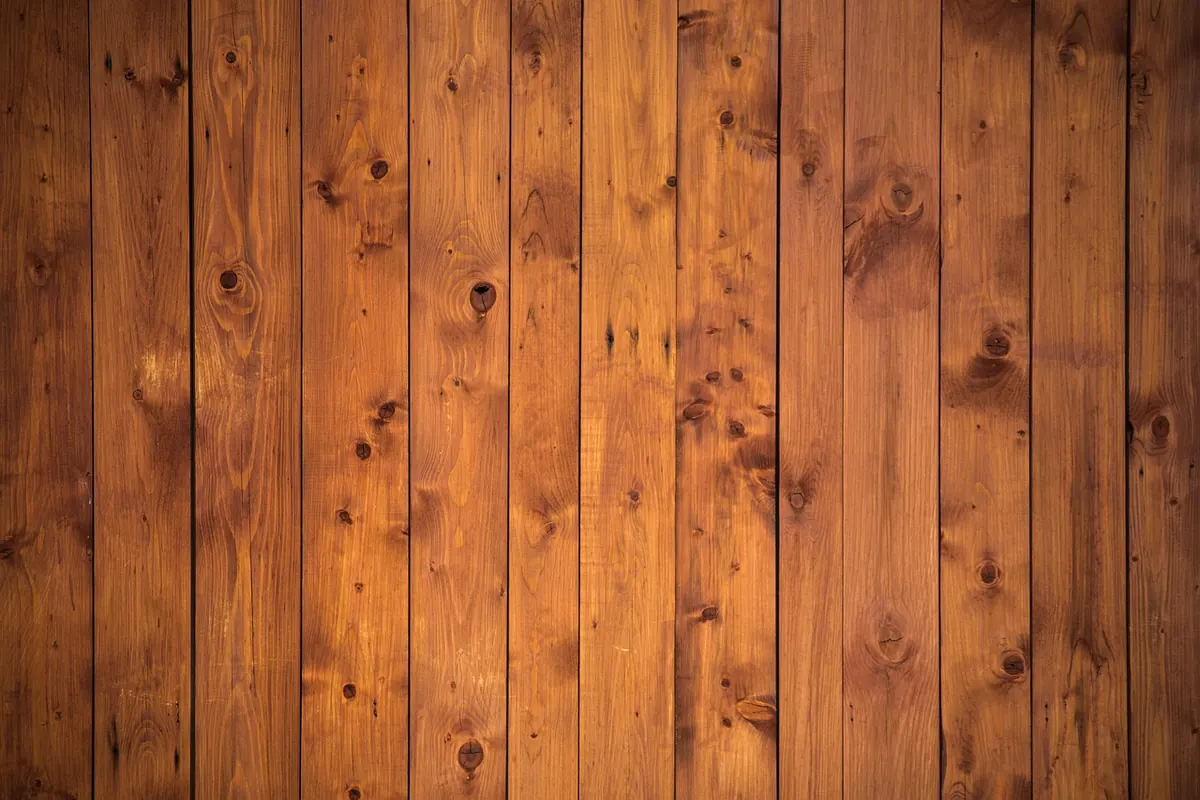
Photo: AS_Photography / Pixabay